
How Maintenance Affects Your Vehicle’s Resale Value
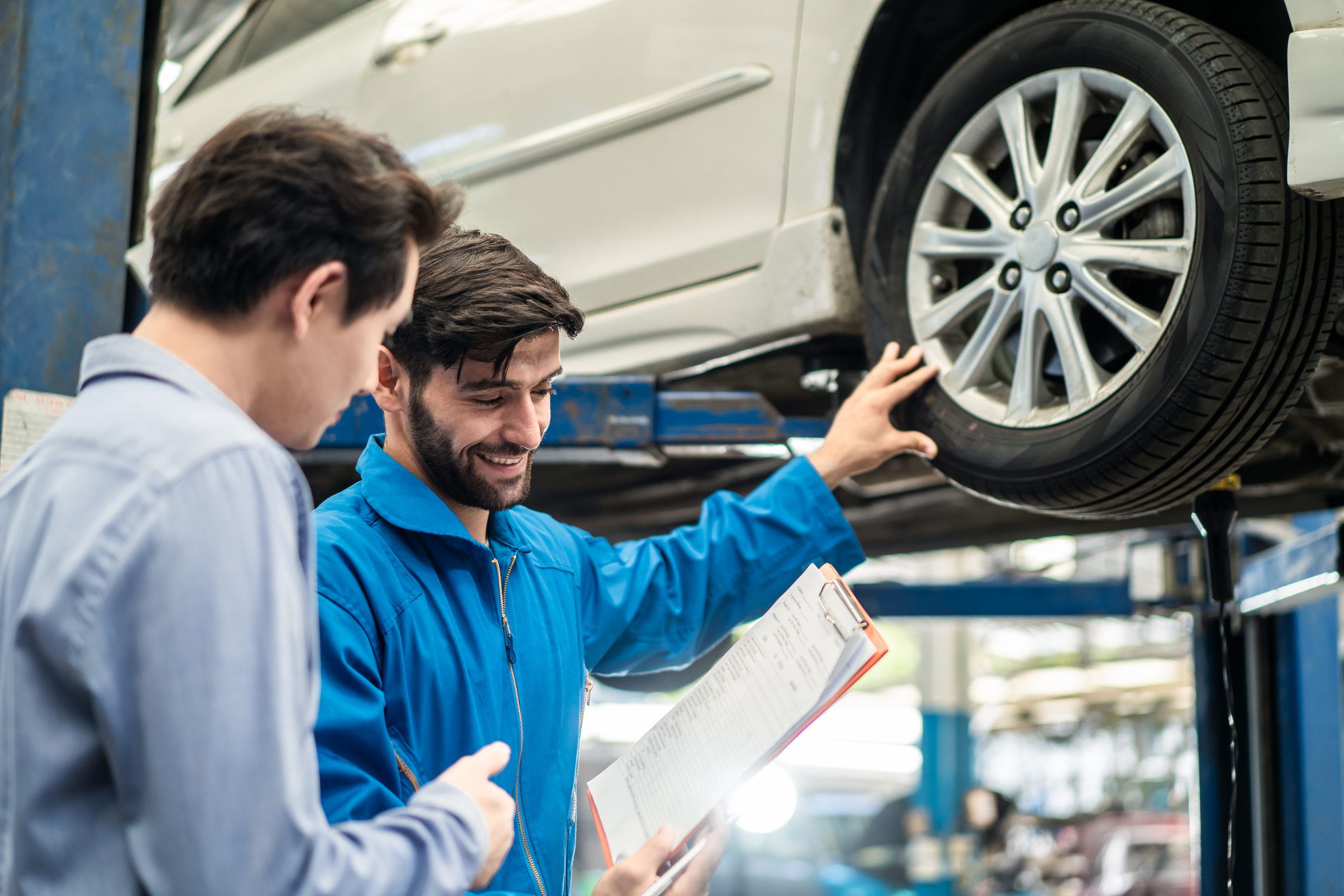
Your vehicle isn’t just a means of transportation; it’s an investment. As with any investment, how you care for it now greatly influences its value in the future.
Many drivers focus on maintenance to avoid breakdowns and keep their vehicles running smoothly. However, regular upkeep also significantly affects resale value and trade-in potential.
In this blog, we’ll explain how maintenance affects your car’s value, identify the most important services, and show how small efforts today can yield better financial returns later.
Why Maintenance Matters
When buyers or dealerships assess a used vehicle, they seek confidence and want to feel positive about their upcoming purchase.
How important is a well-maintained car in that situation?
A well-maintained vehicle signals reliability, responsible ownership, and lower risk. On the other hand, missed maintenance, visible wear, or unresolved issues can immediately lower perceived value, even if the vehicle still drives well.
Regular maintenance helps:
Protect major components like the engine and transmission
Improve long-term reliability
Reduce the likelihood of major repairs
Increase buyer confidence during resale or trade-in
Simply put, maintenance protects both your vehicle’s performance and its market value.
How Maintenance Impacts Buyer Confidence
Whether you’re selling privately or trading in at a dealership, buyers want reassurance that the vehicle has been properly cared for.
A vehicle that feels clean, drives smoothly, and shows evidence of consistent upkeep is often viewed as:
More reliable
Lower risk
Better maintained overall
That confidence matters because buyers are often willing to pay more for a vehicle they trust.
Dealerships evaluate vehicles the same way. Vehicles with clear maintenance history and fewer visible issues are generally easier to recondition and resell, which can positively impact trade-in value.
Key Services That Impact Resale Value
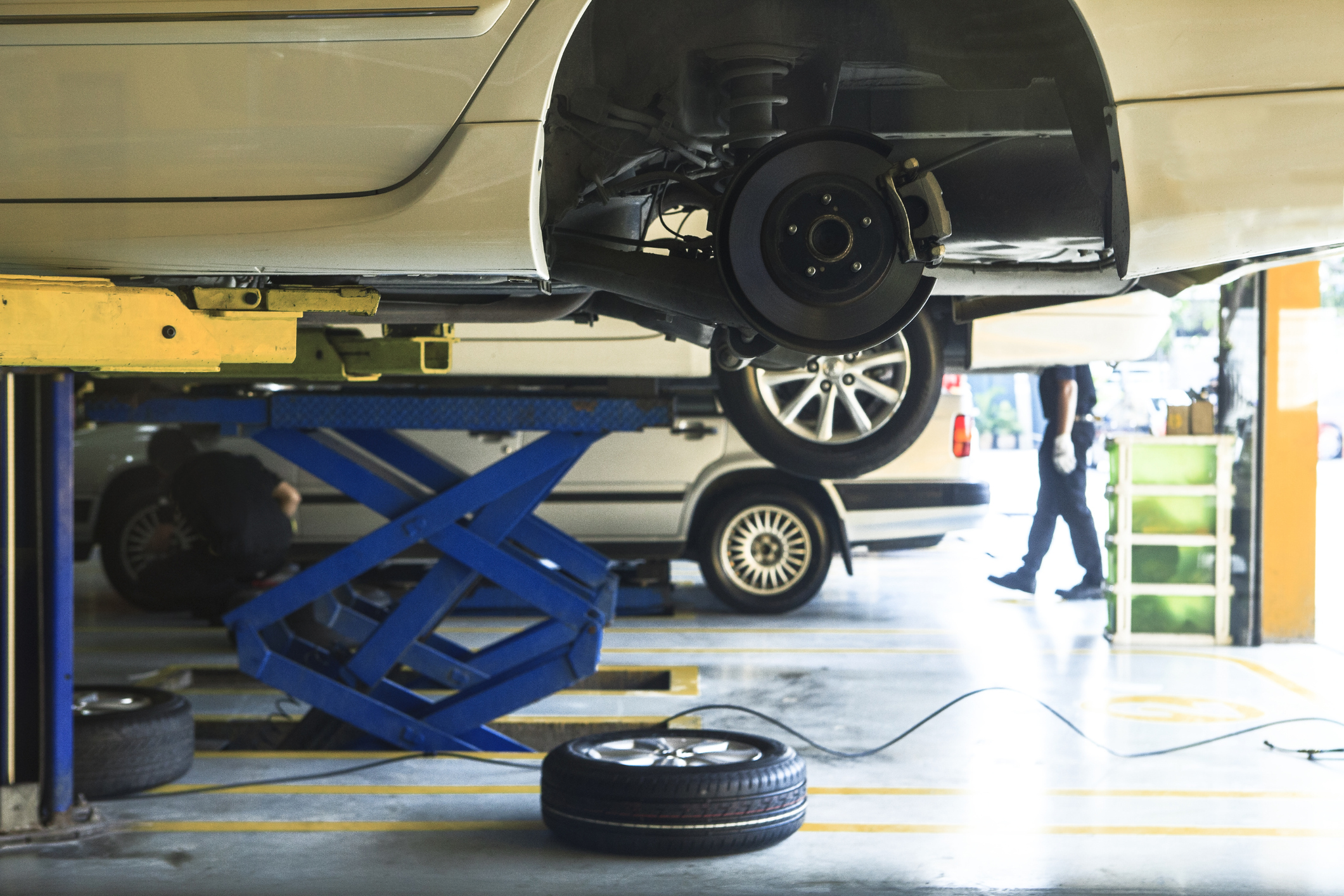
Not all maintenance affects value equally. Some services have a much larger impact on long-term conditions and buyer perception.
1. Oil Changes
Routine oil changes are one of the most important services for preserving engine health.
Consistent oil maintenance helps:
Reduce engine wear
Improve reliability
Prevent premature engine issues
Skipping oil changes can create concerns about overall vehicle care and long-term engine condition.
For more information on how often you should change your blog, read our blog, How Often Should You Change Your Oil?
2. Brake Maintenance
Brakes are one of the first things buyers and dealerships notice during inspections.
Worn brake pads or damaged rotors can signal neglected maintenance and may lower trade-in offers due to expected repair costs.
Staying ahead of brake service helps maintain both safety and resale value.
3. Tire Condition
Tires affect far more than appearance.
Uneven tread wear or poor tire condition can indicate:
Alignment issues
Suspension wear
Lack of regular maintenance
Healthy tires improve drivability, safety, and overall buyer perception.
4. Preventative Maintenance
Small maintenance problems tend to worsen and increase costs if neglected. Fixing issues promptly helps maintain the vehicle's condition and lowers long-term repair expenses.
For more Go Auto Helpful resources, read our blogs:
Service Records Matter More Than You Think
One of the easiest ways to increase a car's value over time is to keep organized service records.
Maintenance documentation acts as proof that your vehicle has been consistently cared for.
This can:
Build trust with buyers
Support stronger trade-in appraisals
Reduce concerns about hidden issues
Differentiate your vehicle from similar listings
Even simple records like oil changes, tire rotations, inspections, and repairs can help strengthen resale value.
Condition Is Everything
Mechanical maintenance is important, but overall condition also has a major impact on resale value.
Interior and exterior upkeep immediately influences first impressions.
Things that can lower value include:
Cracked windshields
Dents or scratches
Interior stains or odours
Rust or corrosion
Neglected paint
Even small cosmetic issues can affect how dealerships and buyers evaluate your vehicle.
Helpful resource: Windshield Crack: Why You Should Fix It Immediately
Keeping your vehicle clean and addressing small issues early helps preserve both appearance and value.
How This Impacts Trade-In Value
When dealerships appraise a vehicle, they evaluate multiple factors at once, including:
Mechanical condition
Maintenance history
Tire and brake condition
Interior and exterior appearance
Overall drivability
Market demand
Vehicles with strong maintenance history and fewer visible issues are typically easier to resell, which can positively impact trade-in value.
In other words, the effort you put into maintaining your vehicle today can directly influence what it’s worth when you’re ready to upgrade.

Maintenance Is an Investment in Long-Term Value
It’s easy to think of maintenance as just another expense, but in reality, it’s part of protecting your investment.
Consistent vehicle maintenance helps:
Extend vehicle life
Improve reliability
Reduce unexpected repair costs
Increase resale and trade-in value
Small efforts now can lead to stronger financial returns later.
Protect Your Vehicle’s Value with Go Auto
Staying proactive with service and maintenance is one of the smartest ways to protect your vehicle's value, and your go-to experts at Go Auto are here to help!
Let’s get the process started!
Save on service with the Go Auto App - Download here!


