
Is It Worth Buying an EV in Canada? Costs, Savings & What You Need to Know
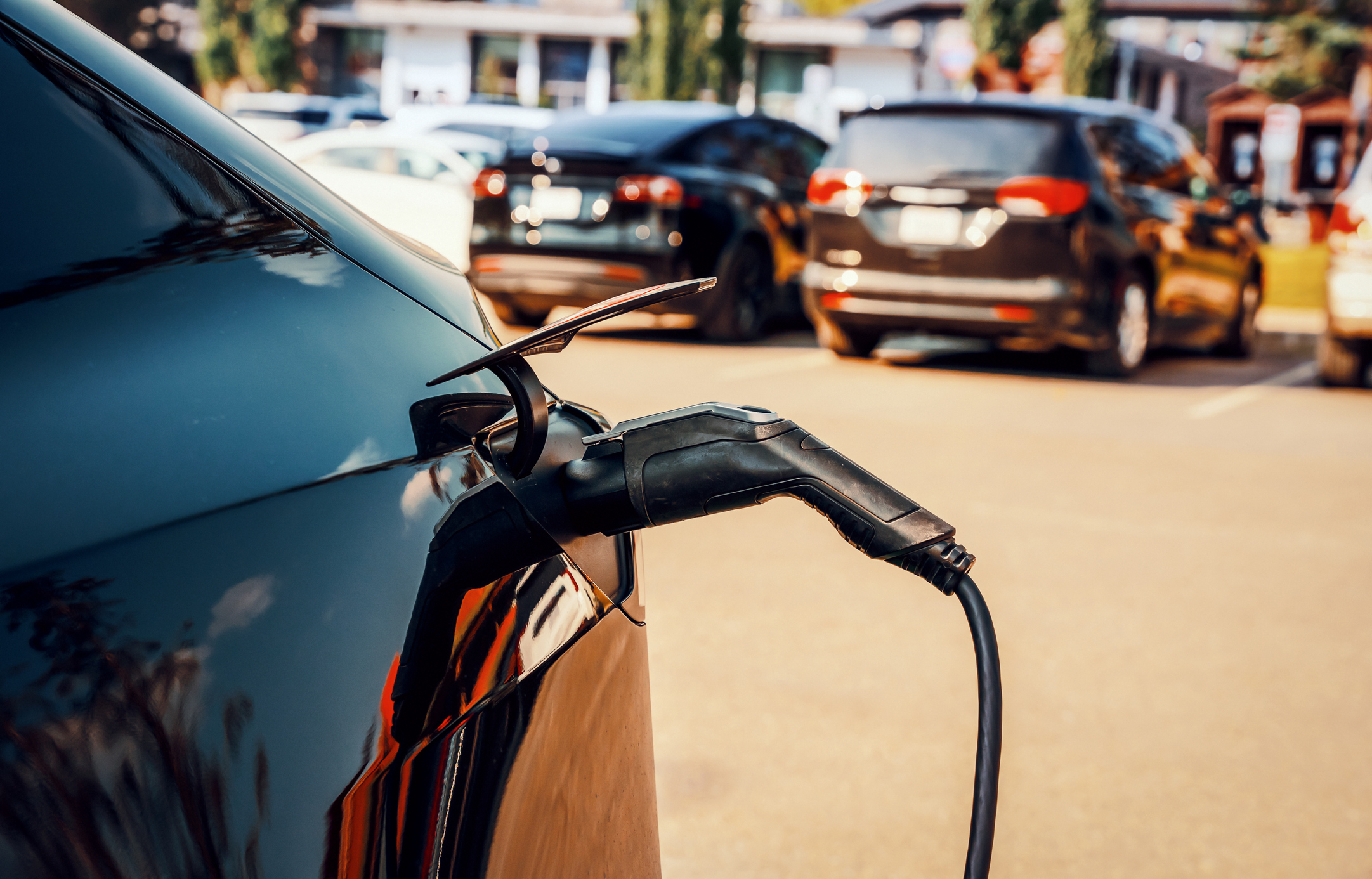
With rising fuel costs, expanded charging infrastructure, and growing government incentives, more Canadian drivers are seriously considering switching to electric vehicles (EVs).
But one question keeps coming up: Is buying an EV actually really worth it in Canada?
Well, the answer depends on how you drive, where you live, and what you value most in a vehicle. To help you make an informed decision, let’s take a closer look at the real costs, savings, and practical considerations of owning an EV in Canada.
Upfront Cost vs Long-Term Value
One of the first differences buyers notice is the purchase price. Electric vehicles typically have a higher upfront cost compared to similar gas-powered models. However, that difference is often offset over time.
Government incentives, including the federal EVAP program and provincial rebates, can significantly reduce the initial price. These programs are designed to make EV ownership more accessible and encourage adoption across Canada.
While the upfront investment may be higher, EVs are generally less expensive to operate and maintain, which contributes to lower total ownership costs over the life of the vehicle.
For more details on Canada’s New EV Rebates, read: Canada’s New EV Rebates are Here: What This Means for Drivers in 2026
Fuel Savings: Gas vs Electricity
Fuel is one of the most significant ongoing expenses for vehicle owners, and one of the biggest areas where EVs differ.
Gasoline prices in Canada can vary widely and are often unpredictable. Electricity, on the other hand, tends to be more stable and significantly cheaper per kilometre driven.
For many drivers, especially those with daily commutes, the savings from charging instead of fueling can add up quickly. Over time, this can offset the higher purchase price of an EV.
Maintenance and Service Costs
Electric vehicles have fewer mechanical components than traditional gas vehicles. There’s no engine oil, fewer moving parts, and less wear on braking systems due to regenerative braking.
This results in:
Fewer routine maintenance requirements
Lower long-term service costs
Reduced the likelihood of major mechanical repairs
For drivers planning to keep their vehicle long-term, these maintenance savings can be substantial.
Charging in Canada: What to Expect
Charging is often a key consideration for first-time EV buyers. Asking questions like: Where can I charge? How often do I need to charge? It can be a barrier to purchasing an EV.
For most Canadians, home charging is the most convenient option. Installing a home charger lets you recharge overnight, so your vehicle is ready each morning without frequent public charging.
Canada’s public charging network is also expanding rapidly, with more stations available in urban areas, along highways, and in community spaces. While planning is still important for longer trips, most daily driving needs can be easily met with a combination of home and public charging.
Read more Go Auto blogs on EV charging to ease those nerves:
- Home Charging Solutions: A guide to setting up your electric vehicle charging station at home
- Electric Vehicle Range Anxiety: Debunking myths and overcoming concerns

EV Winter Performance in Canada
Cold weather does affect EVs, particularly battery efficiency and driving range. In very low temperatures, drivers may notice a reduction in range compared to warmer conditions.
However, modern EVs are built with features designed to perform in Canadian climates, including:
Battery thermal management systems
Heated seats and steering wheels
Pre-conditioning systems that warm the vehicle while plugged in
With proper planning — such as charging regularly and accounting for reduced range in extreme cold — EVs remain practical for year-round use in Canada.
So, Is It Worth It?
For many Canadians, buying an EV can be a smart financial and practical decision. Lower fuel costs, reduced maintenance, and available incentives all contribute to long-term value.
That said, the decision ultimately comes down to your individual needs. Factors like your daily driving habits, access to charging, and budget will influence whether an EV is the right fit.
For those who can take advantage of home charging and drive regularly, EV ownership often delivers the most benefit.
Explore Your EV Options with Go Auto
If you’re considering making the switch, the next step is to explore what’s available and see what fits your lifestyle.
For more insights, explore:


