
How Your Credit Score Impacts Your Car Payment
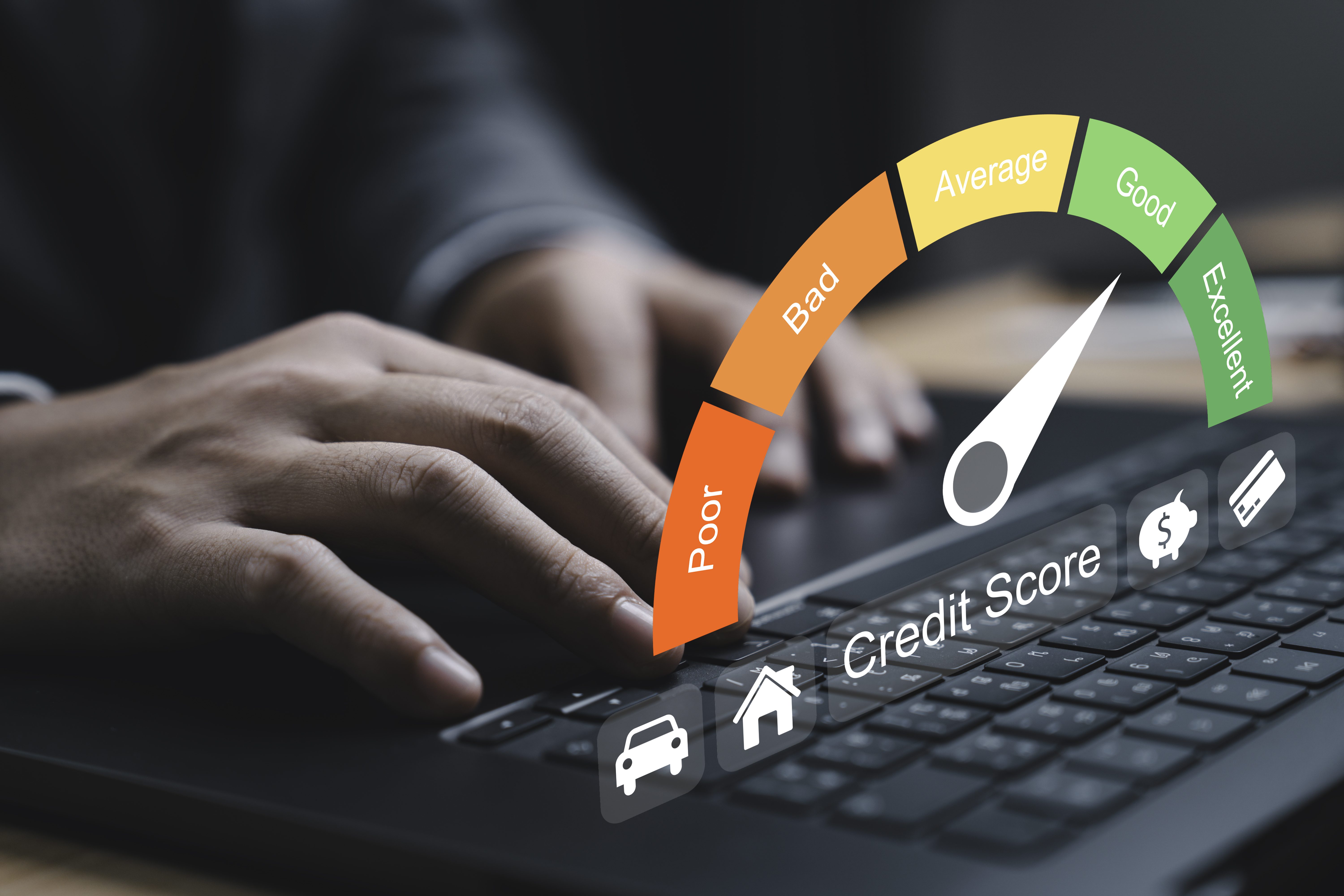
Let’s be honest, car financing can feel a little confusing.
You hear things like “good credit,” “bad credit,” and “interest rates,” but no one really explains what that actually means for you, especially when it comes to your monthly payment.
Here’s the reality: your credit score plays a big role in how much you’ll pay for your vehicle. Not just month-to-month, but over the life of your loan.
The good news? Once you understand how it works, it becomes much less intimidating and much more manageable.
So, let’s break it down in this blog.
What Is a Credit Score (Really)?
Let’s begin with the basics. What exactly is a credit score? Consider it as your financial reputation.
It’s a number lenders rely on to determine one key question: “How risky is it to lend to this individual?”
Your score is based on things like:
Whether you pay your bills on time
How much credit are you using
How long have you had credit
The types of credit accounts you have
You don’t need to be perfect, but consistency matters.
Credit Score Ranges (Canada)
Here’s a simple way to think about where you stand:
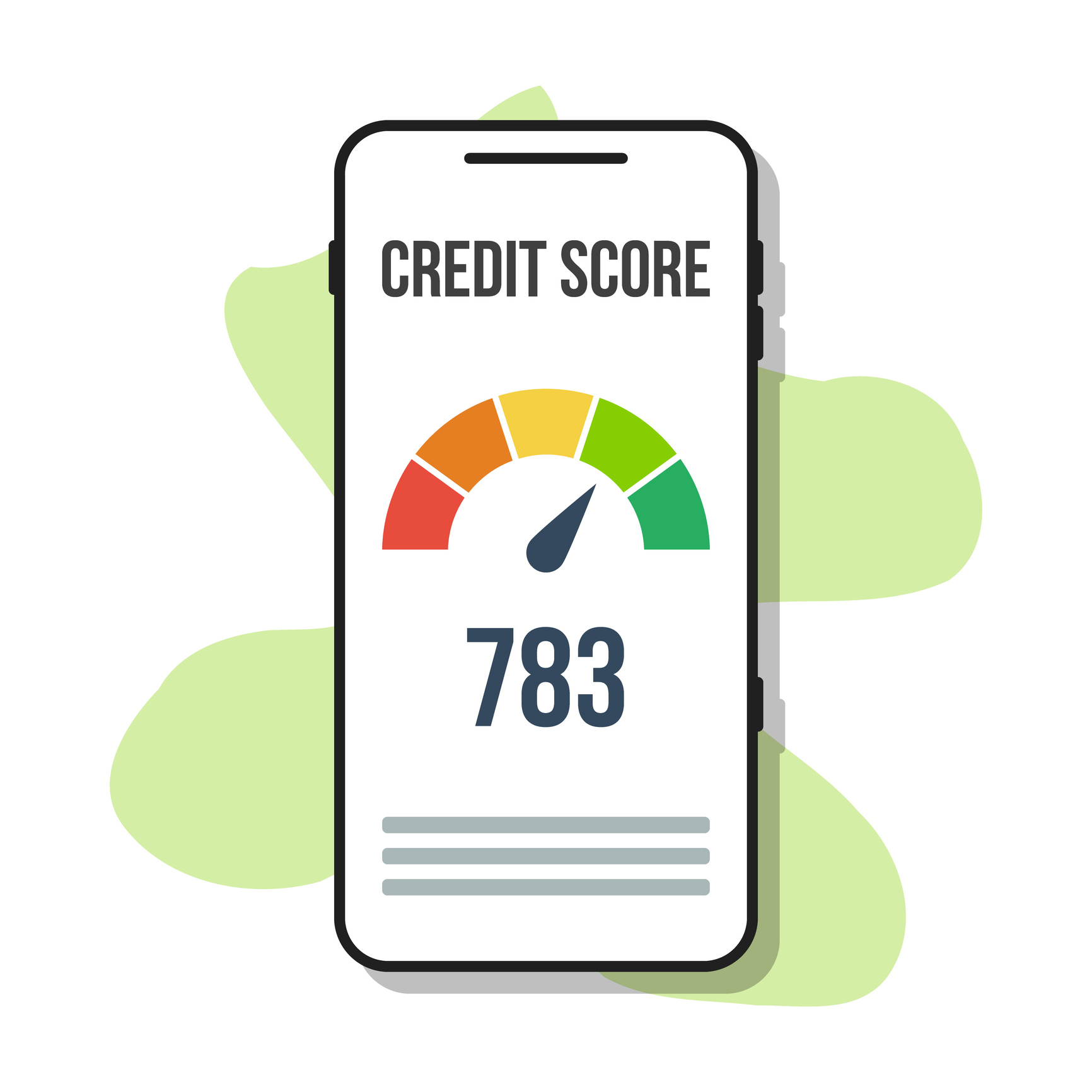
750+ → Excellent
700–749 → Good
650–699 → Fair
600–649 → Below Average
Below 600 → Needs Improvement
The higher your score, the more flexibility you’ll have — especially when it comes to interest rates.
How It Actually Impacts Your Payment
This is where everything begins to matter. Your credit score influences your interest rate, which in turn impacts your monthly payments and overall cost.
Here’s the simple version:
Higher score = lower interest rate = lower overall cost
Lower score = higher interest rate = higher overall cost
Even a small difference in your rate can add up to hundreds, or even thousands, over time.
What This Looks Like in Real Life
Let’s put this into perspective.
Two people buy the exact same vehicle.
Same price. Same term. Same everything.
Buyer A (Good Credit – 720 score):
Lower interest rate
Lower monthly payment
Pays less interest overall
Buyer B (Lower Credit – 620 score):
Higher interest rate
Higher monthly payment
Pays more over time
Nothing changed except the credit score, but the financial outcome is completely different.
The Good News: You Can Improve It
Your credit score isn’t static; it can fluctuate over time. You don’t have to overhaul your entire financial life to begin improving it.
Simple habits go a long way:
Pay your bills on time (this is the biggest one)
Keep credit card balances low
Avoid opening too many accounts at once
Check your credit report regularly
Be consistent over time
Even small improvements can help you qualify for better rates.
What If My Credit Isn’t Perfect?
Here’s something important: you still have options.
You don’t need perfect credit to get approved for a vehicle. Many lenders work with a range of credit situations, and a good dealership team can help match you with the right financing solution.
The key isn’t having a perfect score. It’s understanding where you stand and taking the next step with confidence.
The Bottom Line
Your credit score impacts not only approval but also your interest rates. Once you understand how it functions, you can take control. Whether you’re working on building, improving, or already have a strong credit profile, the right financing option exists for you, designed to work in your favor.
Ready to Explore Your Options?
Take the next step with Go Auto tools that are designed to make things simple:
Use Car Loan Calculator
Get Pre-Approved
Check Your Credit
Browse Inventory
For more helpful reads:


