
How Youth Sports Quietly Changes What Families Need From Their Vehicle
Quick answer: When kids get involved in competitive youth sports, family vehicles face new demands - more cargo space, longer road trips, and frequent carpools. Most families don't plan to upgrade. They just reach a point where their current vehicle stops keeping up with how they actually live.
Youth sports don't just change family schedules. They change how families use their vehicles.
It starts small. A practice here, a game there. You load up the back seat with a bag and a water bottle and don't think much of it. Then the season picks up. Then there are two kids in two different sports. Then there's a tournament three hours away and four kids who need a ride.
By then, the vehicle you bought for commuting and weekend errands is doing a very different job.
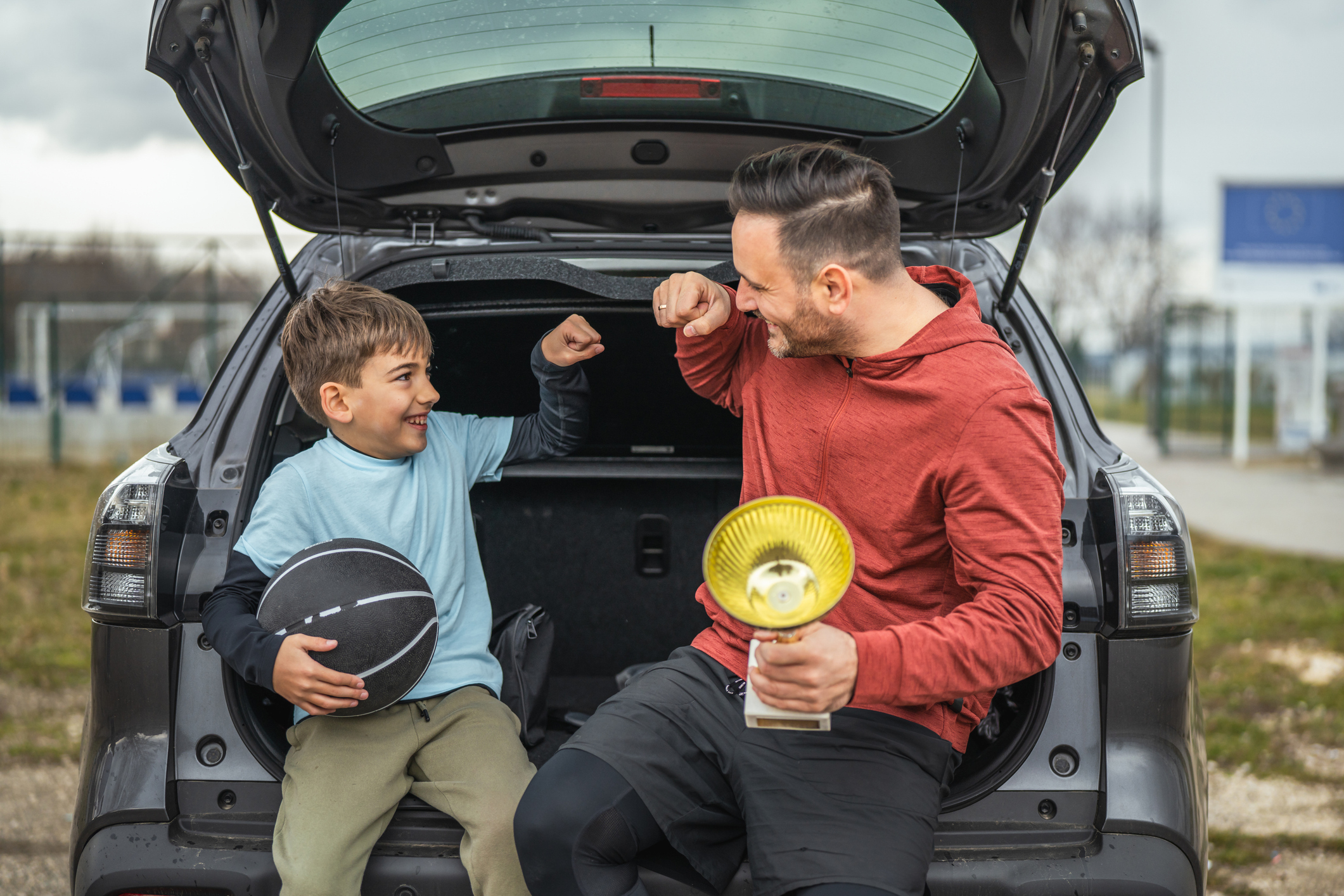
The Weekend That Changes Everything
There's a clear line most sports families cross without noticing it. On one side: one kid in house league, a few practices a week, home by dinner. On the other: competitive sports, back-to-back tournaments, carpools to manage, and enough gear to fill a small storage unit.
That second version changes everything about how your vehicle gets used.
Tournaments mean multi-day travel. You're packing snacks, clothes, equipment, and maybe a portable cooler. You're driving two to four hours and doing it more than once a month. Comfort stops being a nice-to-have.
Carpools change the seat math. You stop driving just your own kids and start driving the whole team. That changes how many seats you actually need, not just on paper, but consistently.
Equipment piles up fast. Hockey bags, soccer balls, lacrosse sticks, batting helmets. Each sport has its own footprint, and most of it doesn't fold flat or stack neatly.
Travel becomes routine. Families in competitive sports circuits often log more distance than they expect, particularly in provinces like Alberta where cities are spread out and regional tournaments are a regular part of the schedule.
The Signs Your Vehicle Has Outgrown You
Most families don't sit down one day and decide they've outgrown their vehicle. It happens in small, frustrating moments that build up over time.
Running out of cargo space is usually the first sign. The gear goes in first, then the bags, then someone has to hold something on their lap for a two-hour drive. That's a signal.
Folding seats constantly to fit equipment means your cargo area isn't really a cargo area. It means your passengers are getting shuffled around to accommodate the stuff. That trade-off wears thin quickly.
Roof racks becoming mandatory is a late-stage sign. When you're regularly strapping things to the outside of your vehicle because there's no room inside, the vehicle isn't fitting the life anymore.
Long road trips becoming uncomfortable is the one that hits hardest. An hour feels fine. Three hours with three kids and a full load in a vehicle that wasn't built for it is a different experience entirely. Leg room, seat support, climate control, and entertainment options all start to matter in ways they didn't before.
What Families Start Prioritizing After That Point
Once families recognize the mismatch, their list of vehicle priorities shifts. It's not just about space. It's about fit.
More cargo space is the obvious one, but the specifics matter. Families with sports kids don't just need a bigger trunk. They need flexible cargo configurations that can shift between hauling gear and hauling passengers without a lot of effort.
Better fuel economy matters more when you're driving long distances regularly. A vehicle that costs more to run each week adds up fast over a season. Families who used to think only about the sticker price start thinking about the cost per kilometre.
All-wheel drive becomes more relevant for Canadian families who are driving year-round, often in winter conditions, often to rinks or fields that aren't in the most accessible parts of town. AWD adds a layer of confidence that matters when the roads aren't clear and the schedule doesn't care.
Flexible seating is what separates the vehicles that work from the ones that almost work. Third-row seats that fold completely flat, second rows that slide forward, and configurations that can change based on the day — these features go from optional to essential once carpooling becomes part of your routine.
If you're not sure where to start, browsing by vehicle type can help you see what's available based on how your family actually uses a vehicle.
Why Trade-Ins Often Start the Conversation
Most families don't plan vehicle upgrades around sports seasons. They plan around the usual triggers: a lease ending, a breakdown, or a financial milestone. But once the frustration of an outgrown vehicle sets in, the next logical question is: what would it cost to change that?
The answer is often more approachable than families expect. Trade-in value has a way of changing the math. A well-maintained vehicle with reasonable mileage can carry real value, and Go Auto's trade-in process is built to make that easy to understand. You find out what your current vehicle is worth, and that number goes toward what comes next.
Families often realize they've been sitting on value without knowing it. A trade that brings in $10,000 to $15,000 toward a more capable vehicle can make the switch more accessible than sticking it out with a vehicle that's working against them every weekend.
Shopping by payment is another way families approach this. Rather than fixating on the sticker price of a new vehicle, working backward from a monthly number that fits the budget often makes the upgrade feel less daunting.
The Right Vehicle Fits How You Live Now
The right vehicle isn't necessarily bigger. It's one that fits how your family lives today, not how you lived three sports seasons ago.
For families in that in-between stage — one kid moving to competitive, another just starting out — a mid-size SUV with flexible seating and a solid cargo setup is often the move. For families deeper into the competitive circuit, with multiple kids and regular tournament travel, a full-size SUV or a well-specced minivan often makes more practical sense than any other option.
The goal is to stop working around your vehicle and start relying on it.
Explore family-friendly SUVs and minivans at Go Auto to see what fits your budget and your schedule. Or if you're not sure what category makes the most sense, the Go Auto blog has resources to help you compare options before you set foot on a lot.
Your schedule isn't slowing down. Your vehicle should be able to keep up.
Frequently Asked Questions
What type of vehicle works best for families with kids in competitive sports?
Mid-size and full-size SUVs are the most common choice for sports families. They offer flexible seating, strong cargo capacity, and AWD options for Canadian winters. Minivans are also a practical option for families carpooling regularly, thanks to their wide doors and flat cargo floors.
When should a family consider upgrading their vehicle because of youth sports?
If you're regularly folding seats to fit gear, using a roof rack as a standard part of packing, or finding long drives uncomfortable for passengers, those are reliable signs the vehicle no longer fits your needs. The upgrade conversation usually starts when the frustration becomes routine.
How does trade-in value factor into upgrading to a family vehicle?
Trade-in value can significantly reduce the cost of an upgrade. A well-maintained vehicle can bring in thousands of dollars that apply directly to your next purchase. Go Auto offers a straightforward trade-in process that helps you understand your vehicle's value before making any decisions.
Is AWD worth it for a family vehicle in Canada?
For most Canadian families driving year-round, yes. AWD improves traction on snow and ice, which matters on early-morning drives to rinks, tournaments in other cities, and any route that doesn't get plowed quickly. It adds to the purchase price, but many families consider it a worthwhile trade-off for the confidence it provides.
What cargo features should sports families look for in a vehicle?
Look for a flat load floor when seats are folded, a wide cargo opening, underfloor storage, and second- or third-row seats that fold without much effort. Power-folding rear seats are a helpful feature if you're switching between full passenger loads and full cargo loads on a regular basis.


